Cinematic portrait of an AI generated brand avatar
Custom models · Custom avatars

Type a person. Get a performer.

A familiar face is the cheapest form of trust a brand can buy, and the most expensive one to recast every quarter. We build custom AI avatars and product models that look like the same human across every ad, every ratio, every platform. Below is exactly how one comes together, from the sentence you type to the scene it lives in.

The build

Five steps from a sentence to a screen actor.

/01

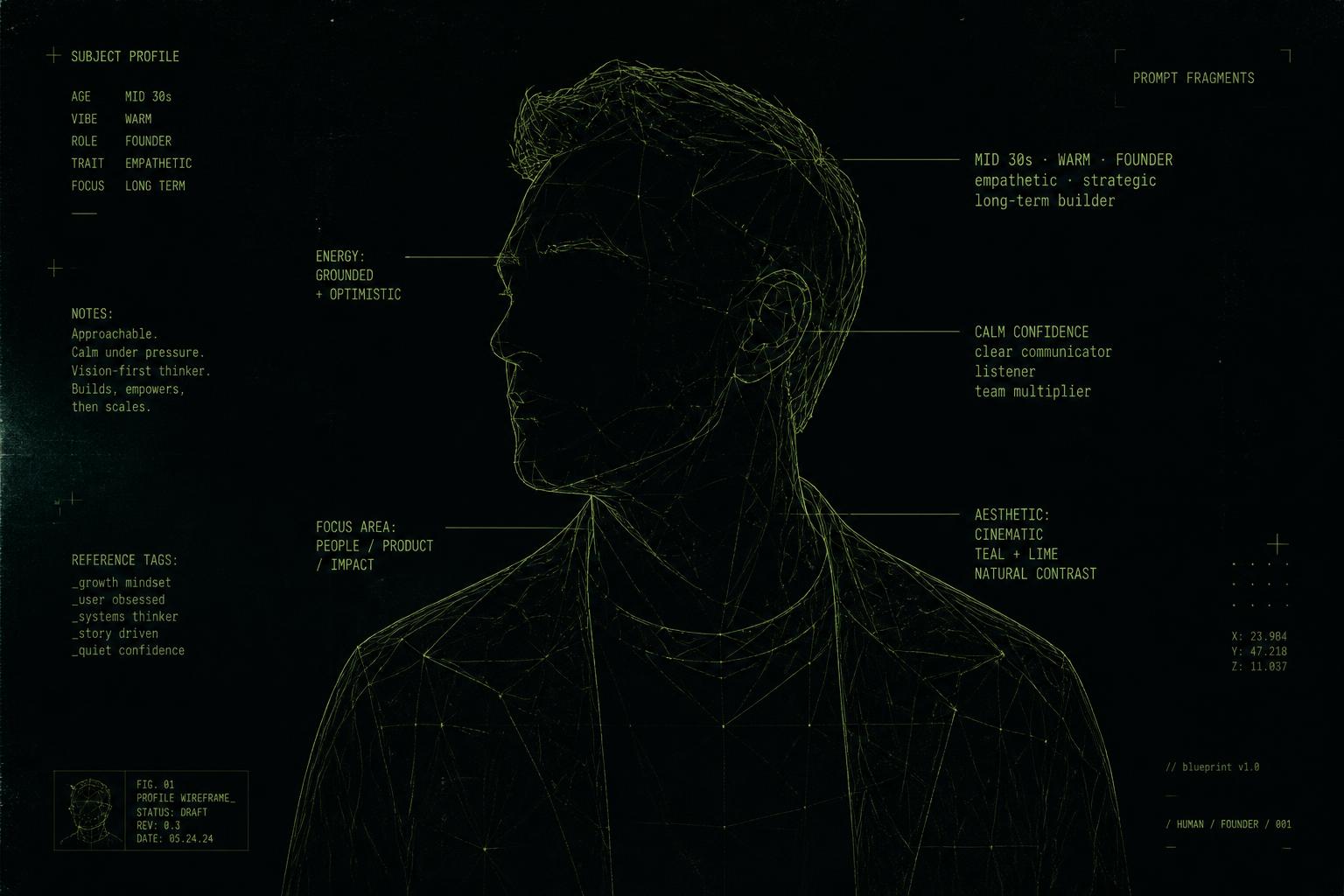
Describe the human

Wireframe profile annotated with prompt descriptors that define an AI avatar
REF · 01

Prompt

> Mid 30s founder. Warm but credible. Long dark hair, light freckles. Charcoal knit. Lisbon afternoon light. Speaks to camera like a friend, not a presenter.

Why this step

The brief is the cheapest part of the production and the bit most teams under invest in. A sentence written with care does the work of a casting agency, a stylist and a lighting director combined. The trick is not to describe a face. It is to describe a feeling someone has when they look at that face, and then let the model find the geometry that produces it.
/02

Lock the identity

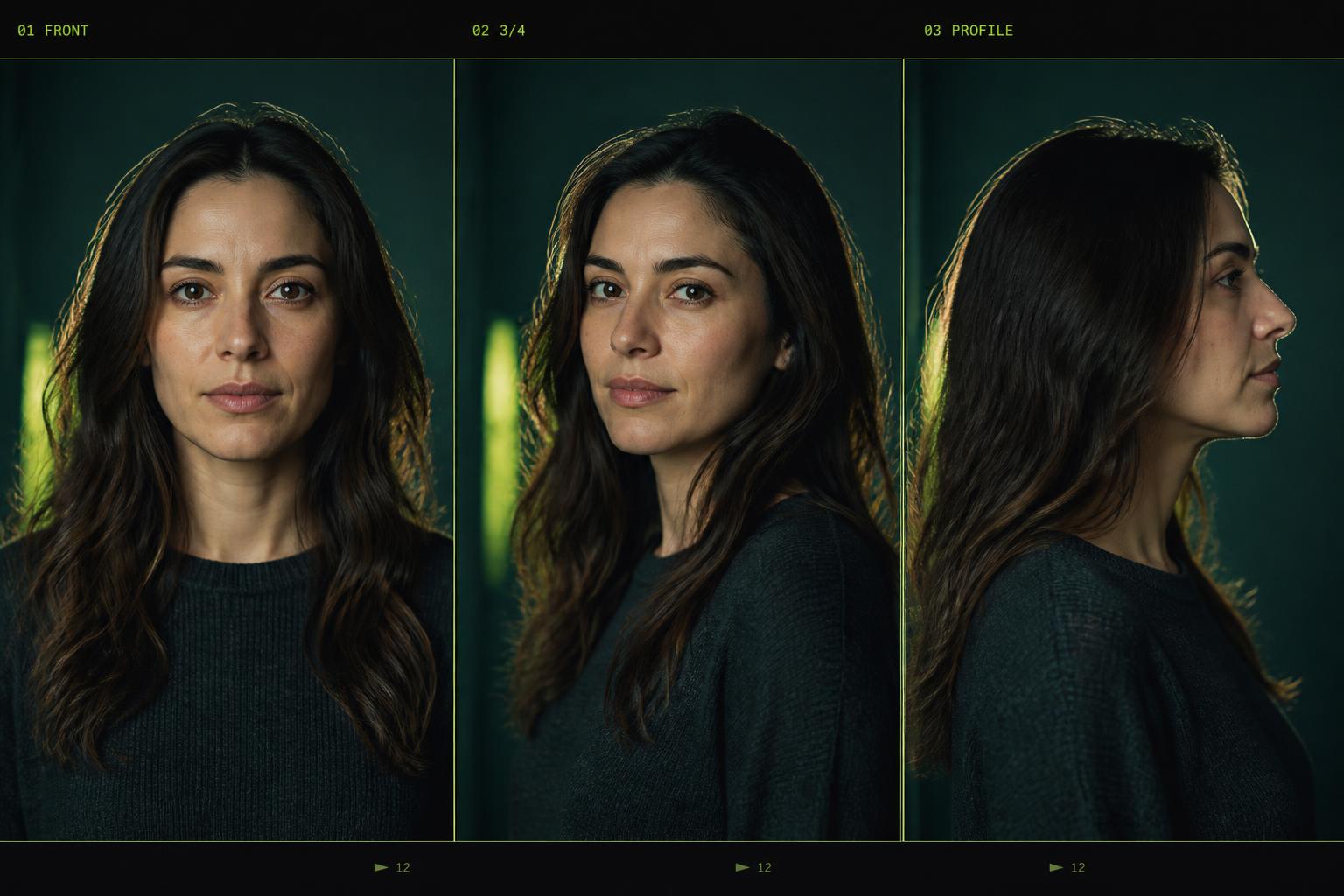
Three portrait reference frames of the same generated avatar, front, three quarter and profile
REF · 02

Prompt

> Generate front, three quarter and profile reference frames. Same lighting, same wardrobe, neutral expression. Seed the model.

Why this step

An avatar is not an image. It is a small set of reference frames that the model can return to whenever you ask for this person again. Without this step you get a series of strangers who happen to look similar. With it, you get a performer with a face the algorithm and the audience both learn to recognise, which is the actual moat.

/03

Wardrobe and lighting

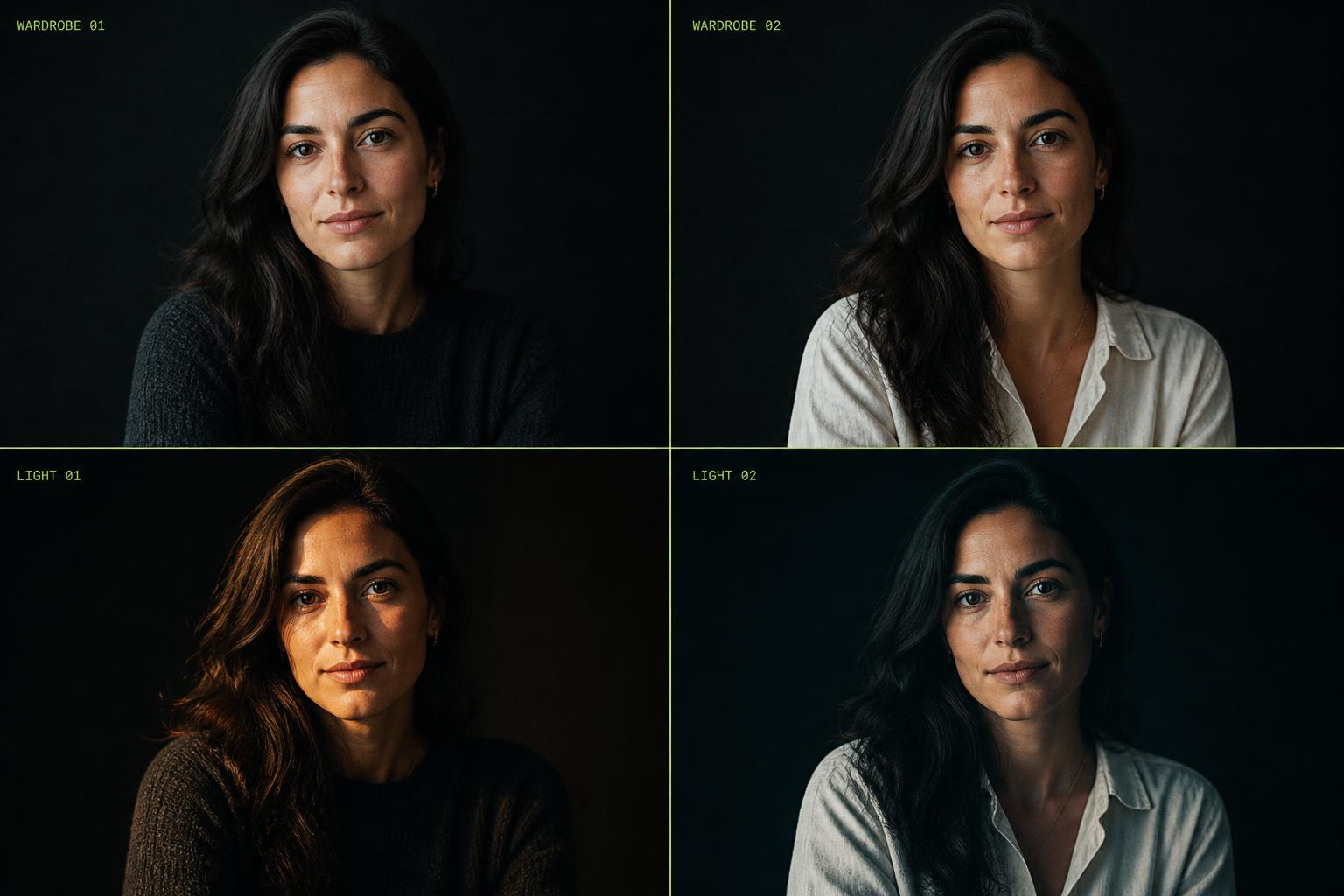
Two by two grid showing the avatar in different wardrobes and lighting setups
REF · 03

Prompt

> Same face. Two wardrobes (charcoal knit, cream linen). Two lighting setups (warm tungsten side light, cool soft daylight).

Why this step

Variation without identity drift is the whole game. People remember the person before they remember the product, so the person needs to survive being moved from a sunny kitchen to a moody studio without quietly turning into a different human. This step is the rehearsal that prevents the audience noticing the seams.

/04

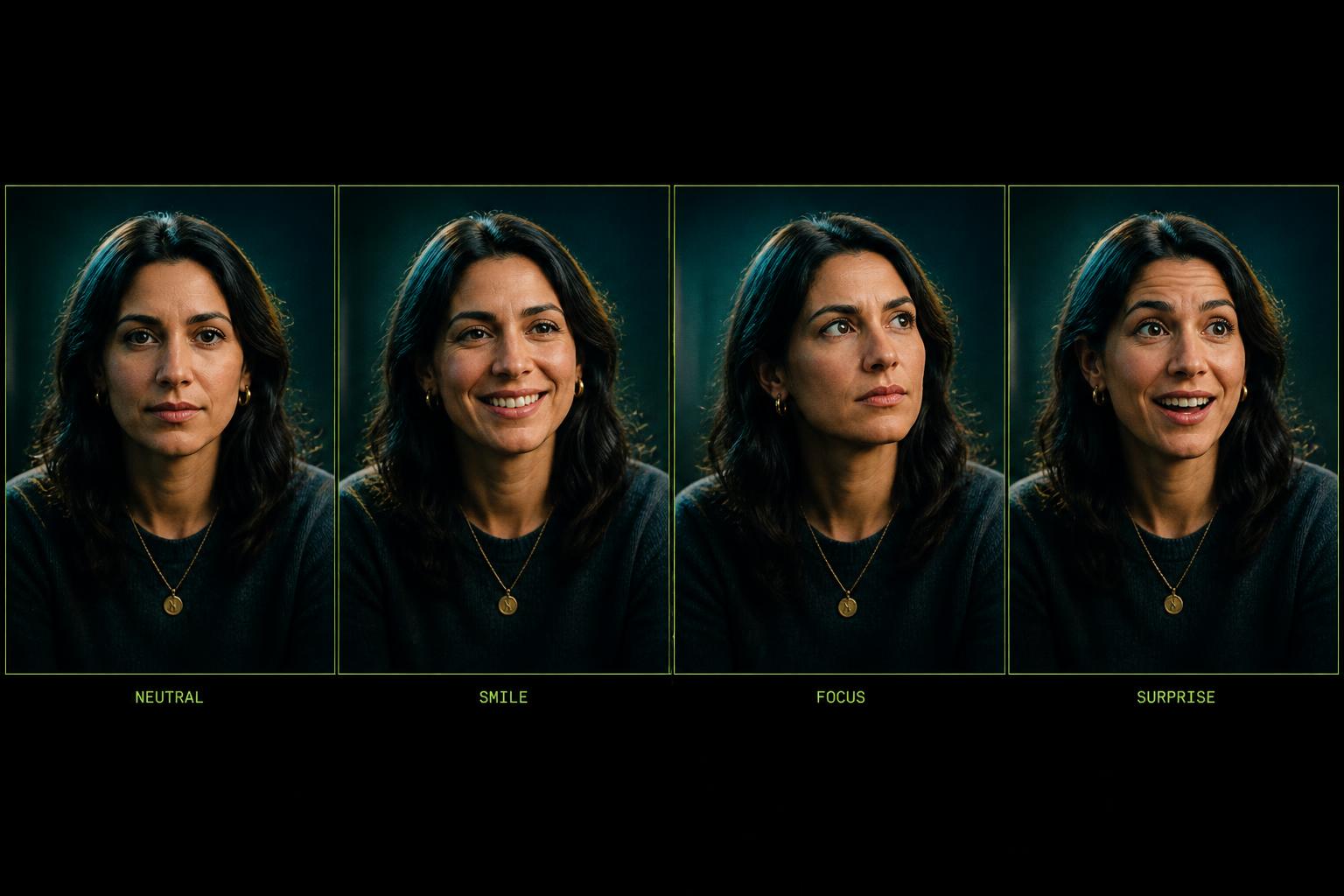
Expression range

Four expression reference frames of the same avatar, neutral, smile, focused and surprised
REF · 04

Prompt

> Same face. Same lighting. Neutral, warm smile, focused thinking, pleasant surprise.

Why this step

Performance is mostly the micro expressions between the words. A locked face is the fastest way to fail the so called uncanny test, because viewers forgive imperfect skin long before they forgive a smile that does not move the eyes. A small library of credible expressions is what lets the same avatar carry a hook, a product reveal and a soft close in the same edit.

/05

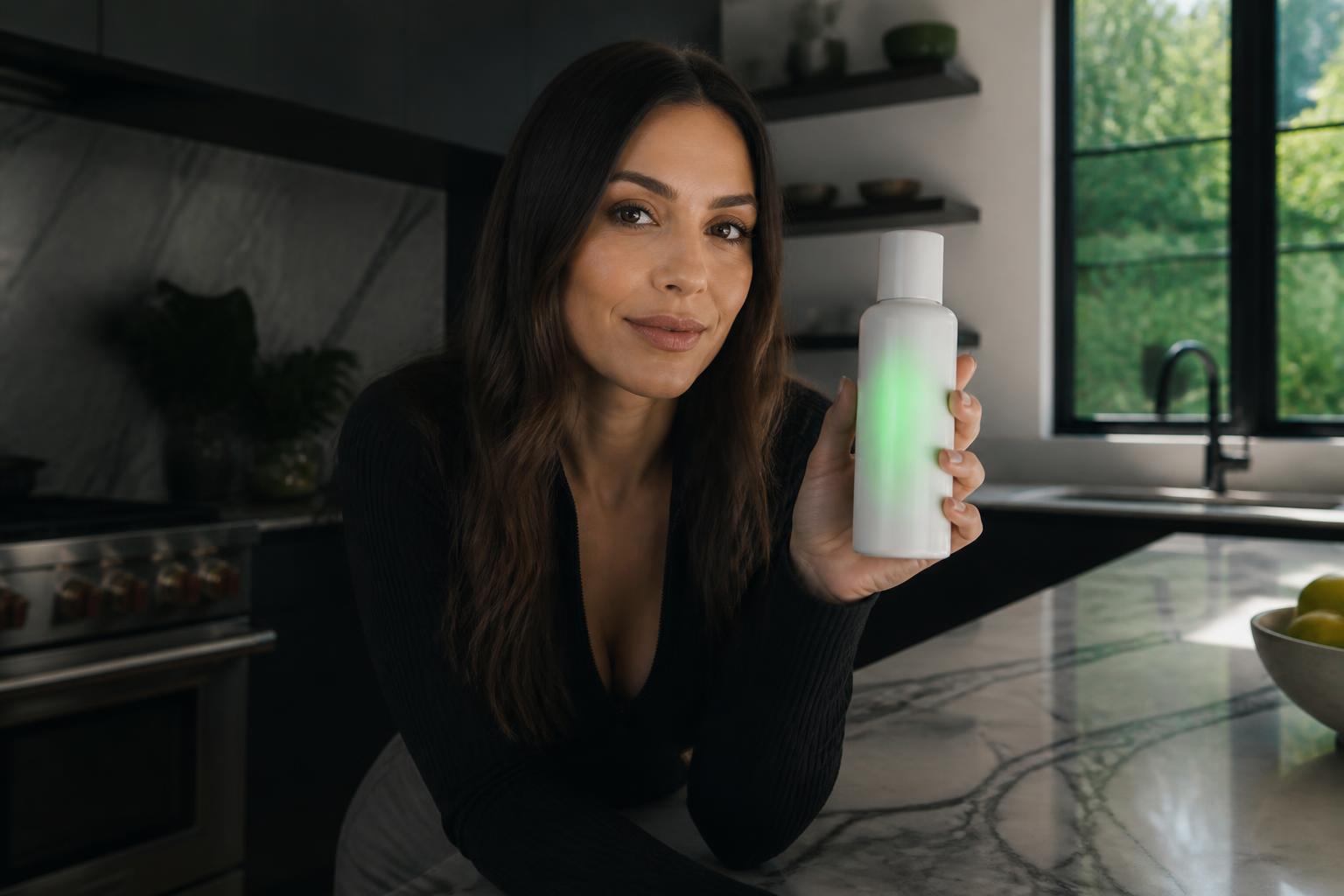
Place into a scene

The locked avatar placed in a lifestyle kitchen scene holding a product in a UGC style frame
REF · 05

Prompt

> Same avatar, modern minimal kitchen, soft morning window light, hand held UGC framing, product in right hand, eye contact with camera.

Why this step

Most AI ads fail at the scene step because the model has not been told where on earth the human is. Naming the room, the light and the camera does more than naming the camera brand ever will. Once the avatar sits inside a believable place, the audience stops auditing the pixels and starts auditing the offer, which is exactly where you want them.

Same person, every placement

One face. Every ratio your media buyer asks for.

Recasting between platforms is the silent budget leak nobody mentions in the wrap report. A locked avatar reframes cleanly into nine by sixteen, four by five, square and sixteen by nine without losing the eye line, which is the bit the audience actually remembers.

Same avatar reframed for TikTok · Reels · Shorts
9:16
TikTok · Reels · Shorts
Same avatar reframed for Feed · Meta
4:5
Feed · Meta
Same avatar reframed for Square · Pinterest
1:1
Square · Pinterest
Same avatar reframed for YouTube · CTV
16:9
YouTube · CTV
What you can lock in

People, products, worlds.

People

Founders, recurring creators, customer archetypes, spokespeople. Locked face, voice and wardrobe library that returns on demand.

FounderCreatorCustomerSpokesperson

Products

Hero SKUs, packaging, in hand shots. A consistent product model that holds its colour, label and proportions across every scene.

SKUPackagingIn handMacro

Worlds

Kitchens, studios, gyms, retail floors, outdoor environments. Branded sets you can reuse without paying a location fee twice.

KitchenStudioOutdoorRetail
FAQ

Sensible questions about owning a face.

Who owns the likeness?

You do. Every model we build for you is yours under licence, with no third party claim on the face, the voice or the scenes it appears in. The avatar is a brand asset, not a rented prop.

How often should we refresh it?

Less often than you think. Audiences reward familiarity, so the same face working across a quarter usually outperforms a new face every fortnight. We recommend a small wardrobe and scene refresh every six to eight weeks.

How many variants do we get per model?

Unlimited within a plan. Once the identity, wardrobe and expression library is locked, generating new scenes is the cheap bit. Most clients ship between twenty and sixty placement specific variants from a single avatar in the first month.

Can it match an existing brand ambassador?

With a written agreement and reference material, yes. We build inspired by likenesses where rights are cleared, and we walk away politely where they are not. Trust beats novelty every time.

Want a model your brand actually owns?

Send a product URL and a sentence describing the human you wish your customers had in mind when they bought it. We send back a reference sheet within one business day.

Start a project
REC • 00:00:72:00
4K | PRORES 4444
Ready when you are

Your first ad set, live in 72 hours.

Send us a product URL. We will send back a hook strategy and a shortlist of formats engineered for your funnel. No deck, no preamble, no twelve stage onboarding.

Start a project
StatusAvailable
OutputHigh-Bitrate